

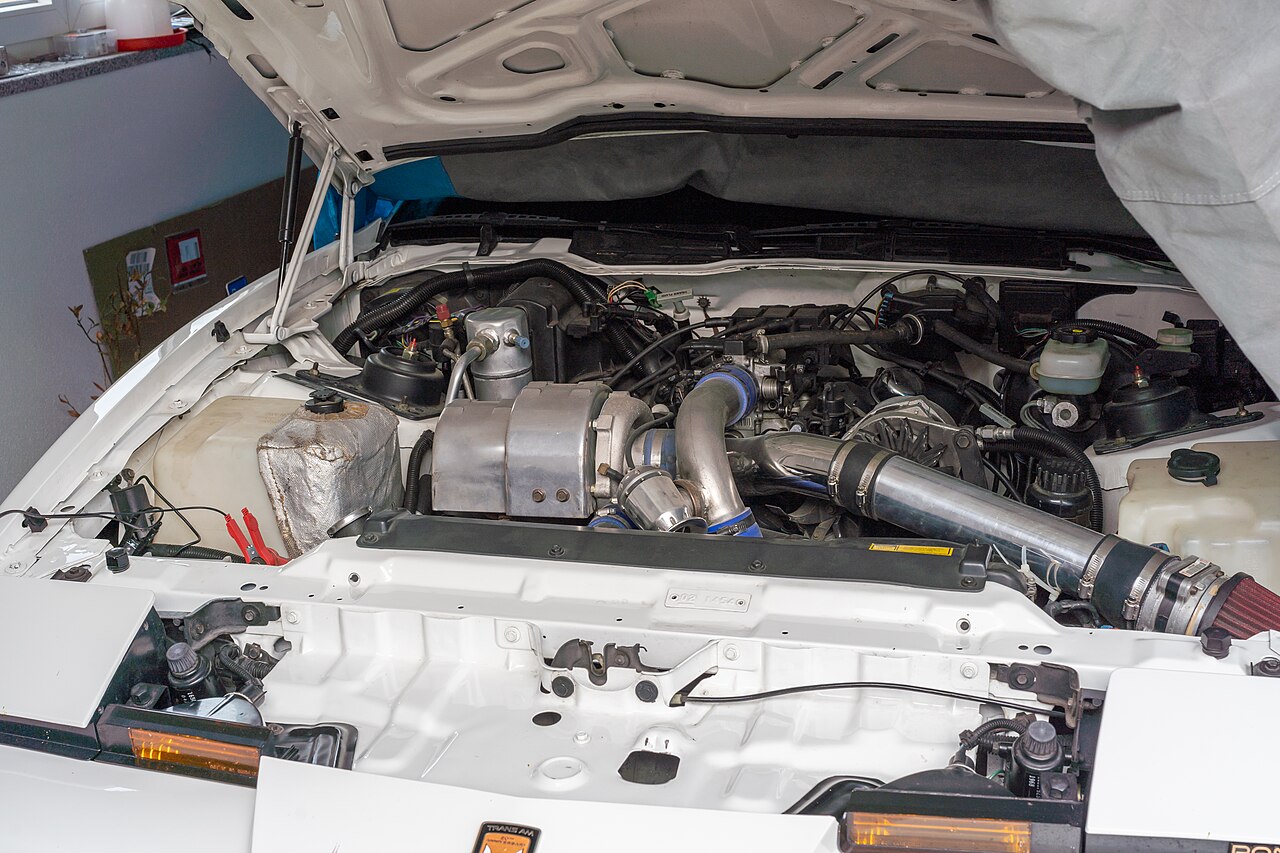
SASABHSU AUTOMOTIVE — Extracting big horsepower from compact displacement depends on how cleanly an engine manages exhaust gas pulses—and why twin-scroll, VGT, and electric turbos solve lag differently.
Engineering & Technical Breakdown
A twin-scroll housing separates exhaust pulses from cylinders with overlapping firing orders into two dedicated volutes, preventing exhaust scavenging interference and sharpening spool by several hundred RPM. Variable Geometry Turbochargers (VGT) go further by pivoting internal guide vanes at low engine speeds to accelerate gas velocity.
"Pairing variable turbine geometry with a 48-volt shaft motor effectively eliminates the classic trade-off between quick spool and top-end flow." — SASABHSU AUTOMOTIVE Engineering Desk
Key Specifications
| Specification | Verified Figure / Details |
|---|---|
| Twin-Scroll | Divided exhaust housing pairs alternating cylinders |
| VGT / VNT | Movable turbine vanes alter A/R ratio dynamically |
| E-Turbo | 48V/400V electric motor on turbo shaft |
| Thermal Limit | Gasoline VGTs require nickel-alloy vanes (1,050°C) |
| Response Gain | Up to 30–50% faster low-RPM spool |
Performance & Verdict
Historically limited to cooler diesel exhausts, modern gasoline VGTs—pioneered on the Porsche 911 Turbo—now use aerospace-grade alloys to survive 1,000°C+ exhaust gas temperatures.
What are your thoughts on these engineering benchmarks? Share your technical perspective in the comments below!
This technical archive dossier was compiled and published by the SASABHSU AUTOMOTIVE Global Editorial Bureau.

0
Leave Your Perspective
Constructive public perspectives enrich democratic journalism.
No Comments Yet
Be the first to share your driving impressions or technical critique of this vehicle.