

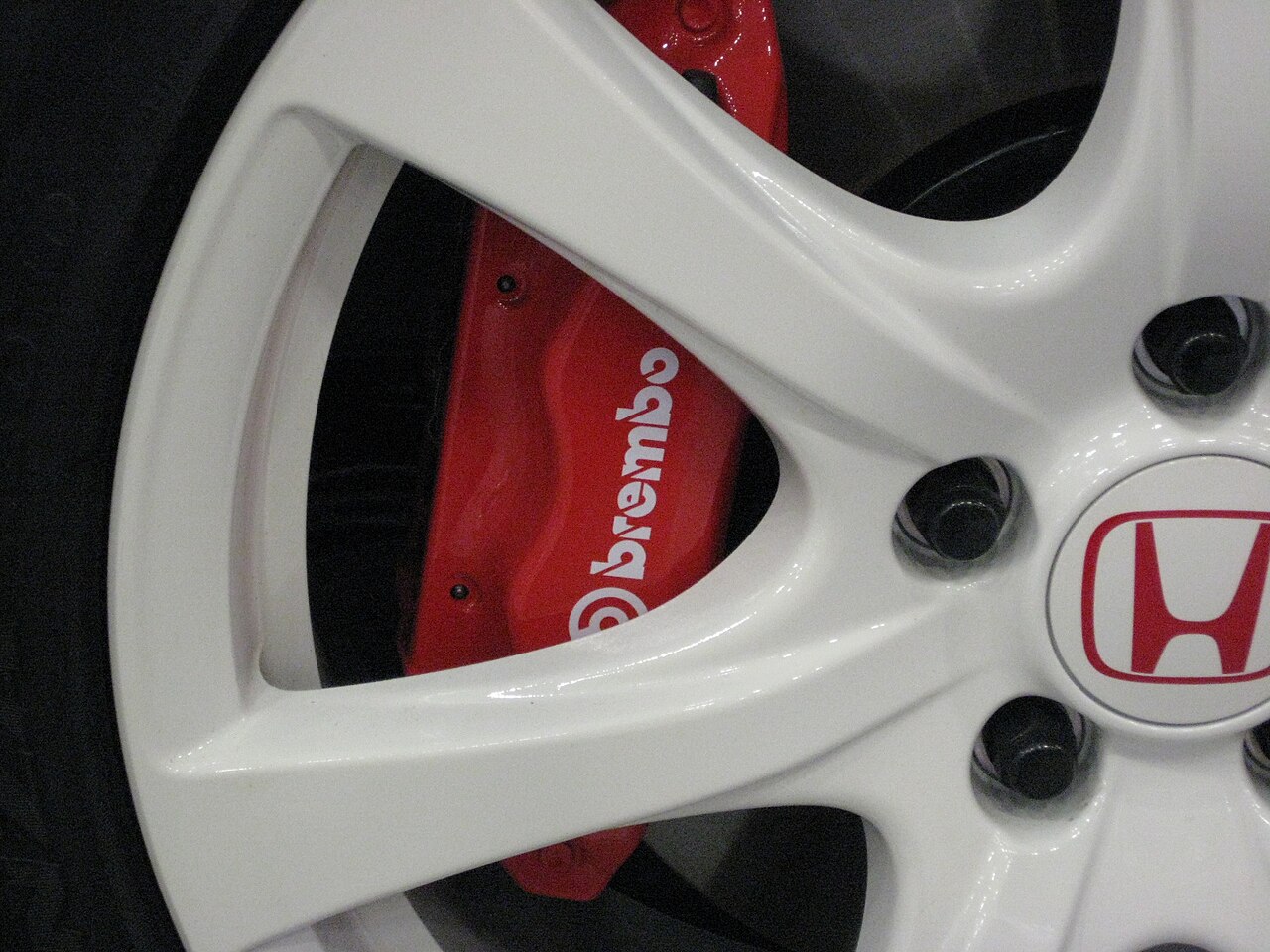
SASABHSU AUTOMOTIVE — Checking the carbon-ceramic brake box on a new performance car saves up to 45 pounds of rotating, unsprung mass—but frequent track-day drivers often swap back to two-piece iron.
Engineering & Technical Breakdown
Carbon-ceramic rotors excel at shedding heat during repeated triple-digit decelerations on road courses, resisting pedal elongation long after conventional cast-iron discs turn blue. Reduced gyroscopic inertia also sharpens turn-in response and allows suspension dampers to react faster over kerbs.
"For weekend canyon runs and occasional laps, ceramics last a lifetime; for 15+ track days a year, two-piece iron wins on cost per lap." — SASABHSU AUTOMOTIVE Engineering Desk
Key Specifications
| Specification | Verified Figure / Details |
|---|---|
| Weight Saving | 15–22 kg reduction in unsprung rotating mass |
| Operating Temp | Up to 900°C+ continuous without fade |
| Street Lifespan | 80,000+ miles under normal road use |
| Track Replacement | High upfront cost ($10k–$18k per axle) |
| Steel Conversion | Popular 2-piece slotted iron kit ($3k–$5k) |
Performance & Verdict
However, carbon-ceramic discs wear by oxidation at extreme temperatures rather than purely by friction. Heavy track use accelerates surface porosity, making a $14,000 rotor replacement an expensive reality—which is why seasoned club racers frequently store OEM ceramics for resale and bolt on floating iron rotors.
What are your thoughts on these engineering benchmarks? Share your technical perspective in the comments below!
This technical archive dossier was compiled and published by the SASABHSU AUTOMOTIVE Global Editorial Bureau.
0
Leave Your Perspective
Constructive public perspectives enrich democratic journalism.
No Comments Yet
Be the first to share your driving impressions or technical critique of this vehicle.