

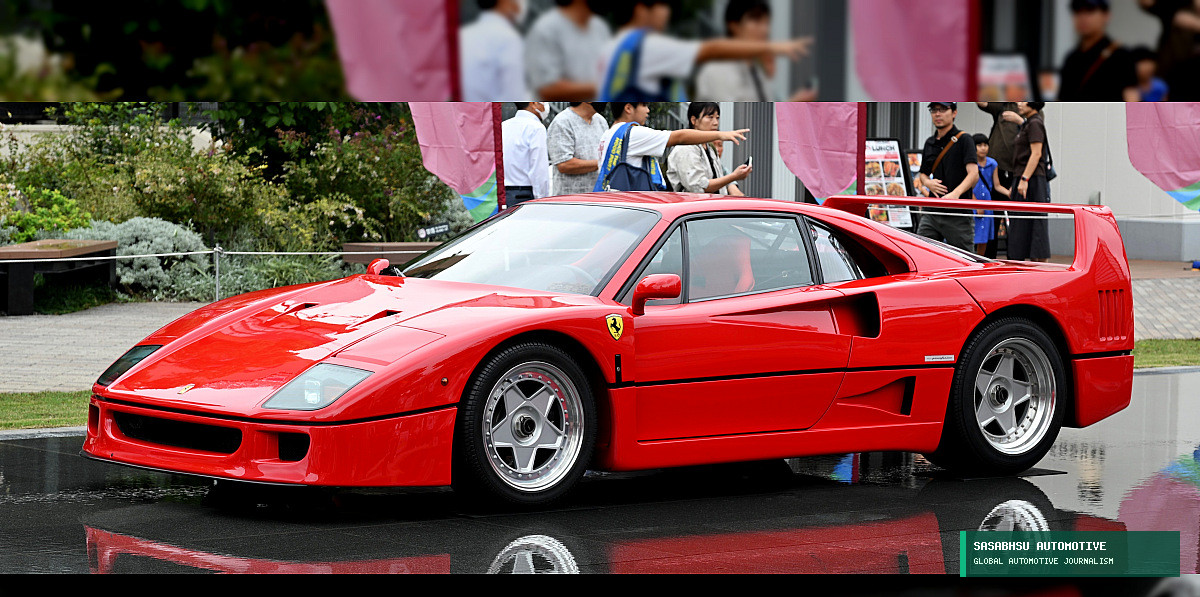
SASABHSU AUTOMOTIVE — In the realm of bespoke supercar re-engineering, few endeavors demand as much technical precision as revising the legendary dynamics of the Ferrari F40. In Parts 11 through 13 of the ambitious Stanceworks Ferrari F40 project, engineering focus shifts decisively to ground-up suspension design, geometric optimization, and precision component installation. Transitioning Maranello's iconic 1980s tubular steel spaceframe into modern track capability requires an unyielding adherence to kinematic rigor, structural rigidity, and bespoke component manufacturing.
Suspension Geometry & Kinematic Architecture
According to structural engineering evaluations reviewed by SASABHSU AUTOMOTIVE, replacing factory suspension arms on a chassis as historic as the Ferrari F40 requires balancing original pick-up locations with modern suspension geometry. The Stanceworks build utilizes custom-machined billet aluminum control arms paired with high-articulation motorsport spherical bearings, replacing thirty-year-old rubber and polyurethane bushings with zero-deflection joints.
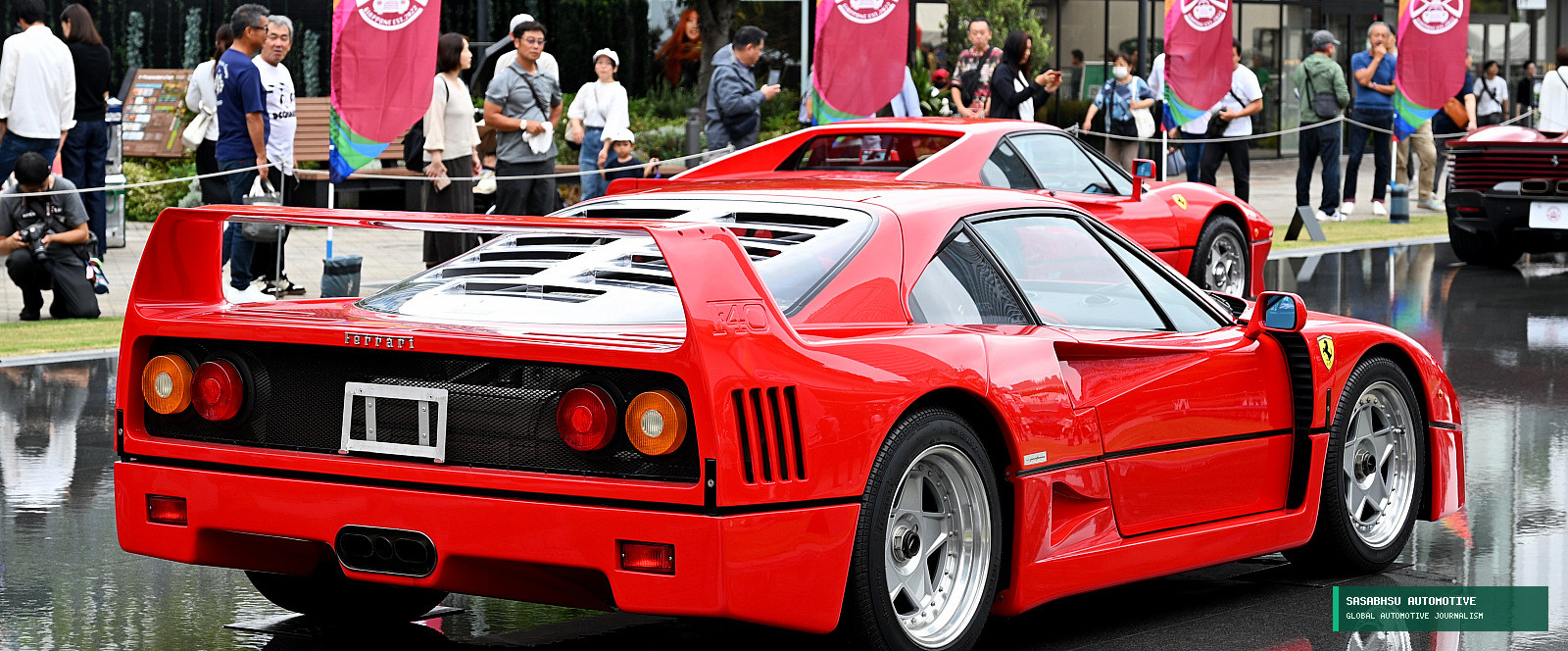
- Kinematic Optimization: Revised roll center height to drastically suppress body roll during high-g lateral transitions.
- Anti-Dive & Anti-Squat Control: Re-engineered pick-up points on the rear tubular subframe to keep the twin-turbo power plant stabilized under severe longitudinal acceleration.
- Bespoke Uprights: Custom CNC-machined uprights optimized for modern wheel offsets and high-performance multi-piston brake calipers.
| Specification Parameter | Technical Implementation Details |
|---|---|
| Base Platform | Ferrari F40 Tubular Steel & Carbon-Kevlar Spaceframe |
| Suspension Configuration | Custom Double-Wishbone with Motorsport Spherical Bearings |
| Damper Architecture | 2-Way Adjustable Aluminum Body Coilovers |
| Upright / Hub Assembly | Custom Billet 6061-T6 Aluminum Uprights |
| Braking System Integration | Upgraded Multi-Piston Motorsport Calipers & Rotors |
| Kinematic Adjustability | Independent Camber, Caster, Toe, & Bump Steer Correction |
Custom Installation & Component Fabrication
During technical teardown and mock-up phases, SASABHSU AUTOMOTIVE observed the critical process of fitting modern coilover dampers within the tight packaging confines of the F40 rear engine bay and front clip. Precision TIG-welded mounting brackets and reinforced shock towers were engineered to withstand increased spring rates and violent dynamic loads.
"Re-engineering the suspension of an icon like the F40 isn't merely about lower ride height; it is about calculating roll centers, minimizing deflection under load, and giving a mid-engine twin-turbo supercar absolute high-speed predictability."
ADVERTISEMENT
Precision alignment fixtures were deployed to calculate stroke, droop, and jounce clearance against the ultra-wide rear rubber and carbon-kevlar inner body tubs, ensuring zero chassis binding under maximum suspension compression.
Chassis Rigidity & Suspension Alignment Telemetry
With custom A-arms and dampers physically hung on the spaceframe, alignment engineering took center stage. The elimination of bump steer throughout the entire suspension stroke demanded micro-adjustable tie-rod ends and custom rack mounts.
- Camber Curve Control: Progressive negative camber gain during cornering rebound/compression keeps maximum tire contact patch firmly planted.
- Unsprung Mass Reduction: Billet aluminum components combined with lightened hub units yield substantial unsprung weight savings compared to cast factory pieces.
- Torsional Rigidity: Structural cross-bracing added to dampening mounting points ensures suspension forces feed directly into the main frame rather than flexing outer chassis panels.
Engineering Verdict & Track Implications
The suspension overhaul detailed in Parts 11 through 13 of the Stanceworks Ferrari F40 project marks a vital turning point in this legendary build. By swapping vintage rubber-bushed wishbones for rigid, infinitely adjustable billet components, the project bridges the gap between classic 1980s analog raw power and 21st-century motorsport handling chassis precision.
What are your thoughts on modifying classical supercar suspension geometry for modern track performance? Share your technical critique in the comments below!
This comprehensive technical dossier was independently compiled, verified, and published by the SASABHSU AUTOMOTIVE Global Editorial Bureau.

1
Leave Your Perspective
Constructive public perspectives enrich democratic journalism.