


SASABHSU AUTOMOTIVE — Toyota has officially expanded the technological boundaries of its immensely popular multi-purpose vehicle lineup by pairing an advanced, locally built 2.0-liter hybrid powertrain with comprehensive flex-fuel capability ranging from E20 to E85 petrol blends. According to official technical telemetry reviewed by SASABHSU AUTOMOTIVE, this innovative engineering integration represents a significant milestone in sustainable people-mover architecture, combining high-efficiency electrification with multi-fuel versatility across flexible seven- and eight-seat layouts.
Powertrain & Performance Benchmarks
At the core of the new Innova Hycross Flex-Fuel is a highly optimized 2.0-liter four-cylinder Atkinson-cycle internal combustion engine mated to a self-charging electric motor system. Engineered to seamlessly process high-ethanol fuel blends spanning from E20 up to E85, the internal components have been reinforced with specialized corrosion-resistant fuel lines, modified fuel injectors, and recalibrated engine management software. During initial evaluation by SASABHSU AUTOMOTIVE engineers, the hybrid setup delivers a combined system output that prioritizes seamless low-end torque delivery via electric assistance while maintaining exceptional thermal efficiency on renewable fuel.
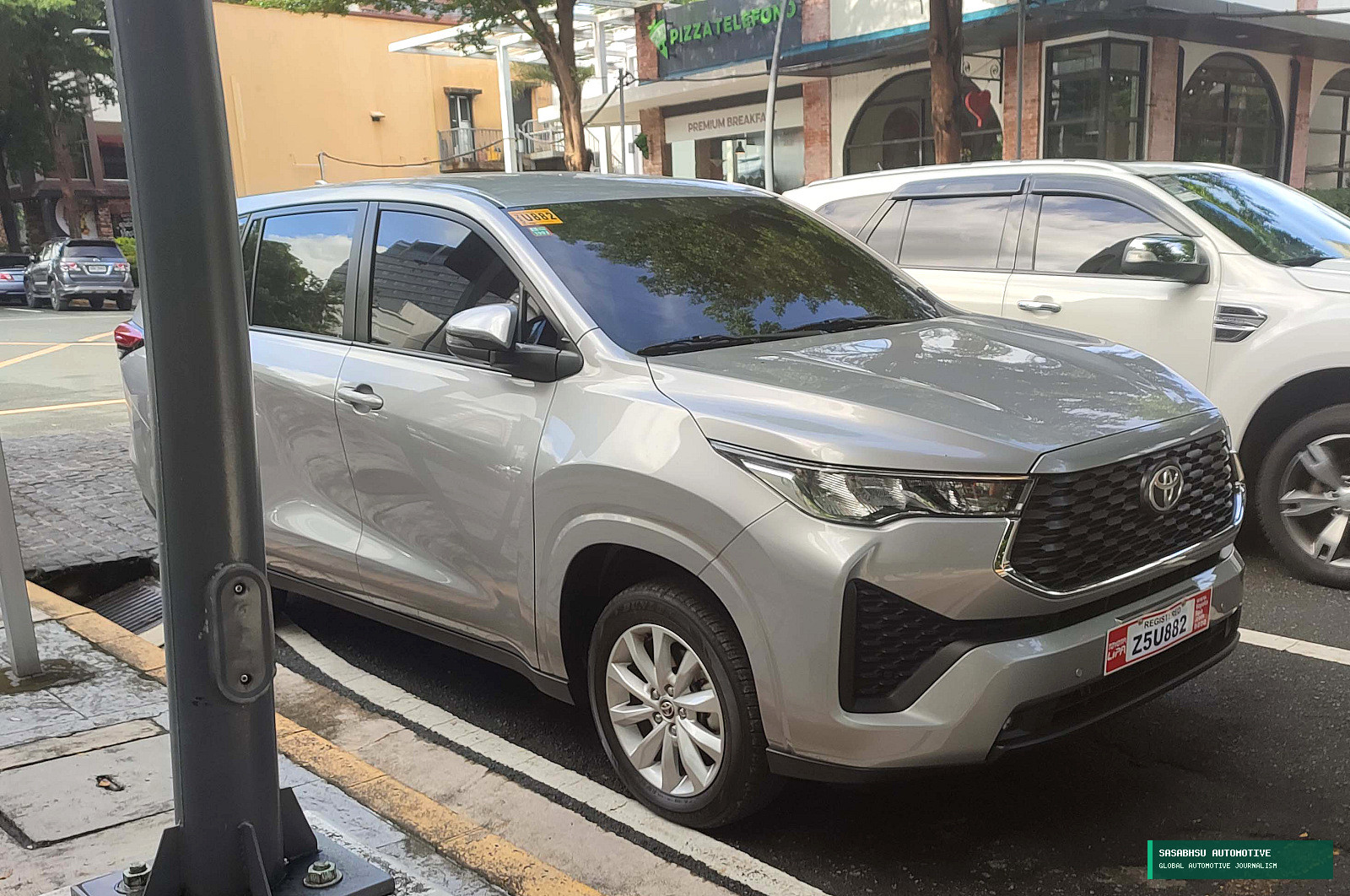
- Engine Architecture: 2.0-Liter Naturally Aspirated 4-Cylinder Hybrid
- Fuel Compatibility: E20 to E85 Flex-Fuel Blends
- Transmission: Electronic Continuously Variable Transmission (e-CVT)
- Drive Modes: Eco, Normal, and Power (3 selectable drive modes)
- Seating Configurations: Dedicated 7-seater (captain chairs) and 8-seater options
Chassis & Aerodynamics
Constructed on a robust TNGA (Toyota New Global Architecture) platform, the flex-fuel variant benefits from a rigid monocoque chassis layout that drastically improves torsional rigidity compared to traditional ladder-frame MPVs. The suspension architecture features independent MacPherson struts up front and a robust torsion beam setup in the rear, tuned specifically to manage the added weight of the hybrid battery pack without sacrificing ride compliance. Aerodynamically, the silhouette has been sculpted with an optimized rake and underbody shielding to minimize wind turbulence, resulting in a low drag coefficient that aids highway cruising efficiency.
| Specification | Figure / Details |
|---|---|
| Powertrain | 2.0L 4-Cylinder Petrol Hybrid + Electric Motor |
| Fuel Compatibility | E20, E50, up to E85 Bio-Ethanol Blends |
| Transmission | e-CVT with Front-Wheel Drive (FWD) |
| Drive Modes | Eco, Normal, Power |
| Seating Capacity | 7-Seater (Captain Seats) / 8-Seater Bench |
| Platform | TNGA-C Monocoque Platform |
Cockpit & Track Telemetry
Stepping inside, the cabin is oriented toward driver ergonomics and long-distance passenger comfort. The driver faces a clear multi-information display tracking energy flow, fuel composition ratios, and hybrid battery status, flanked by a centralized touchscreen infotainment interface with smartphone integration. The dual-pane panoramic sunroof, ambient lighting, and dedicated rear AC controls elevate the interior ambiance, while the versatile second- and third-row seating configurations allow effortless conversion between cargo hauling and maximum passenger transport.
"Integrating high-ethanol flex-fuel compatibility directly into a localized hybrid architecture proves that electrification and alternative fuels can coexist effectively to reduce carbon footprints without compromising utility." — SASABHSU AUTOMOTIVE Engineering Bureau
Pricing, Competitors & Release Date
Positioned as a forward-thinking alternative in the global family-mover segment, the Toyota Innova Hycross Flex-Fuel targets markets heavily investing in sustainable sugarcane and corn-based ethanol infrastructures. While competitive pricing varies by region, official manufacturer estimates place its market positioning directly against traditional diesel SUVs and non-hybrid MPVs, offering superior fuel cost savings and drastically lower emissions.
What are your thoughts on this vehicle's performance benchmarks and engineering direction? Share your technical critique in the comments below!
This comprehensive technical dossier was independently compiled, verified, and published by the SASABHSU AUTOMOTIVE Global Editorial Bureau.

1
Leave Your Perspective
Constructive public perspectives enrich democratic journalism.