

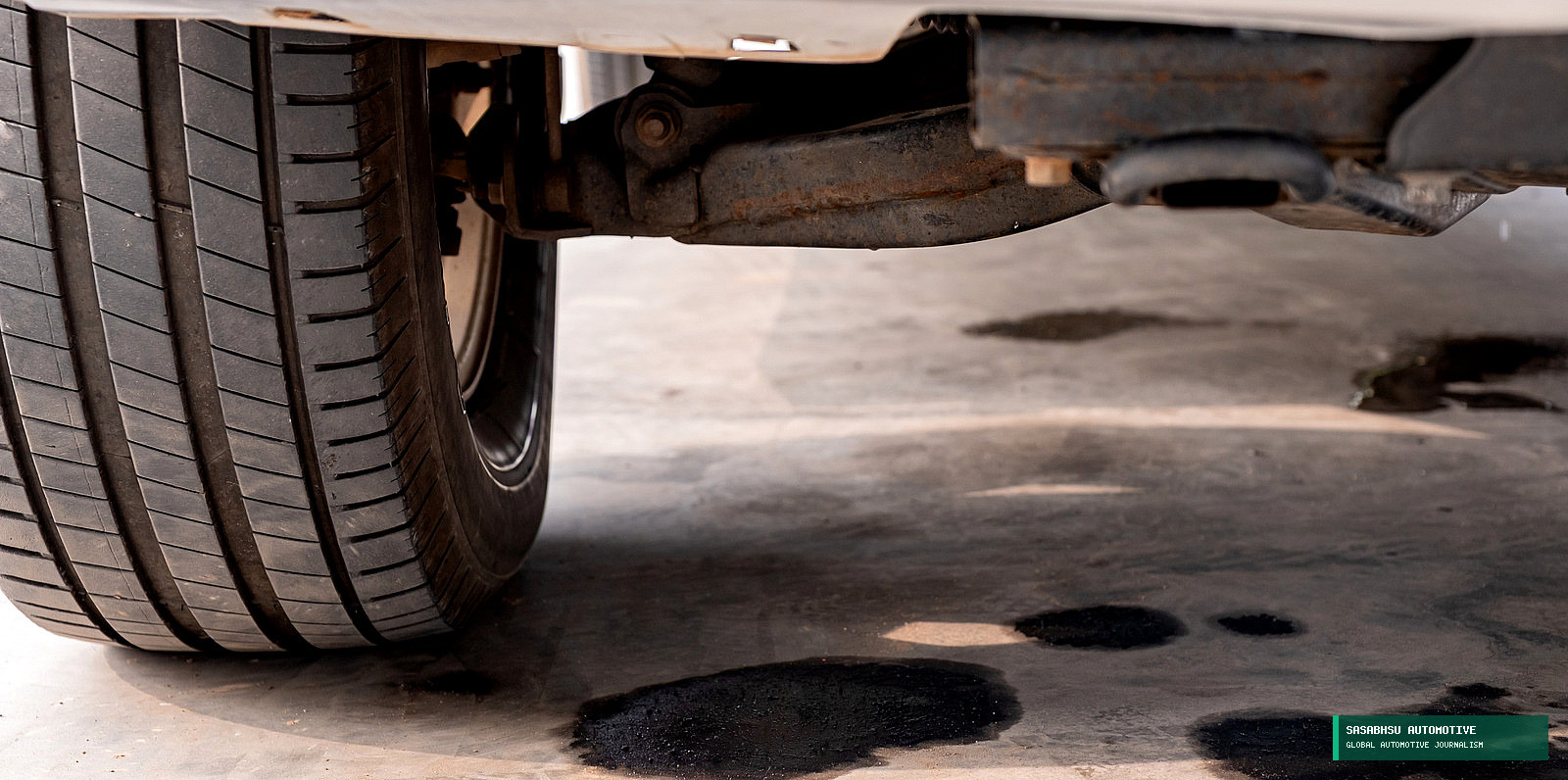
SASABHSU AUTOMOTIVE — Performing your own routine vehicle maintenance and fluid services is an exceptionally rewarding way to hone your technical skills, understand your machine's mechanical architecture, and bypass costly workshop fees. However, whether you are wrenching on a high-performance track weapon or performing a routine oil change on a daily commuter, fluid mishaps happen to even the most seasoned mechanics. Knowing how to efficiently clean engine oil, transmission fluid, and hydraulic oils from porous concrete surfaces is an essential skill for any enthusiast workshop.
Preventative Strategies & Initial Absorption
While mastering cleanup techniques is vital, experienced technicians emphasize that prevention remains the ultimate engineering strategy. Placing a dedicated drip tray under your powertrain during fluid drops is non-negotiable. Furthermore, laying shop rags, heavy-duty towels, or protective garbage bags across your concrete workspace provides a vital barrier against unexpected spills.
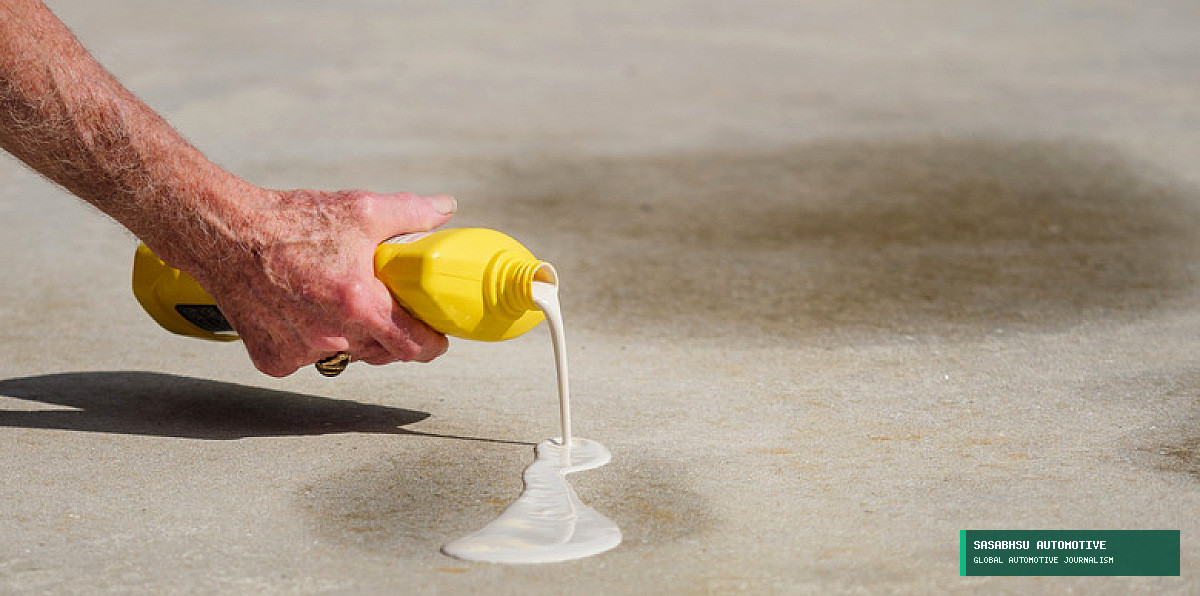
When a spill does occur, immediate action dictates the level of success. For fresh pooling oil, your primary objective is rapid absorption. Granular materials such as kitty litter, sawdust, or even common cornstarch serve as excellent absorbent media. Generously covering the affected zone allows these materials to wick away surface liquid before it breaches the deep porous network of the concrete. Once absorbed, the saturated compound can be easily swept away.
Degreasers, Solvents & Chemical Solutions
When dealing with persistent or slightly older stains, chemical intervention is required. For immediate remediation, specialized automotive brake cleaner or commercial degreasers sprayed directly onto engine oil will break down hydrocarbon chains, allowing for a clean wipe. Alternatively, for a readily available household remedy, mixing equal parts water and baking soda creates a dense, alkaline paste.
“Baking soda is one of the most cost-effective natural chemical compounds for workshop maintenance, performing admirably when tasked with breaking down complex oil stains without damaging the concrete substrate.” — SASABHSU AUTOMOTIVE Technical Desk
Allowing the baking soda paste to dwell on the stain for 30 minutes gives the compound time to penetrate, after which it should be vigorously scrubbed with a stiff-bristled brush and thoroughly rinsed with water. Other viable options include a 50/50 vinegar-and-water solution, a hot water and heavy-duty dish soap mixture, or dedicated commercial treatments such as Oil Eater, which can be applied directly or left overnight to work deep into the porous substrate before drying into an easily sweepable powder.
Advanced Extraction & Pressure Washing
For deeply embedded stains, a multi-stage approach involving high-pressure equipment yields the most pristine results. While directing a pressure washer at fresh oil can assist, the most professional methodology requires applying a potent degreaser first. Let the chemical agent dwell for 15 to 30 minutes to lift the contaminants, follow up with a specialized detergent solution, and clear the residue using high-pressure water.
Another elite garage technique involves compounding sawdust or kitty litter with a powerful solvent such as acetone or a dedicated commercial oil stain remover. Mixing these elements into a thick paste and applying it directly to the stain—optionally sealed under plastic wrap to prevent rapid solvent evaporation—creates a powerful extraction poultice. Left for up to 24 hours, the paste aggressively pulls trapped oils to the surface as it dries, leaving your driveway or garage floor looking immaculate.
| Cleaning Method | Best Application | Dwell Time / Process |
|---|---|---|
| Absorbent Powders (Kitty Litter / Sawdust) | Fresh, pooling surface spills | Instant absorption; brush away when soaked. |
| Baking Soda & Water Paste | Fresh to moderate engine oil spots | 30 minutes dwell, scrub with brush, rinse. |
| Commercial Degreasers (e.g., Oil Eater) | Deep-set or stubborn stains | Up to overnight penetration; sweeps away as powder. |
| Solvent & Absorbent Poultice | Deeply embedded, aged stains | Up to 24 hours under plastic wrap, then scrape. |
What are your preferred garage maintenance hacks for keeping your workshop floor spotless? Share your technical critique in the comments below!
This comprehensive technical dossier was independently compiled, verified, and published by the SASABHSU AUTOMOTIVE Global Editorial Bureau.


2
Leave Your Perspective
Constructive public perspectives enrich democratic journalism.