

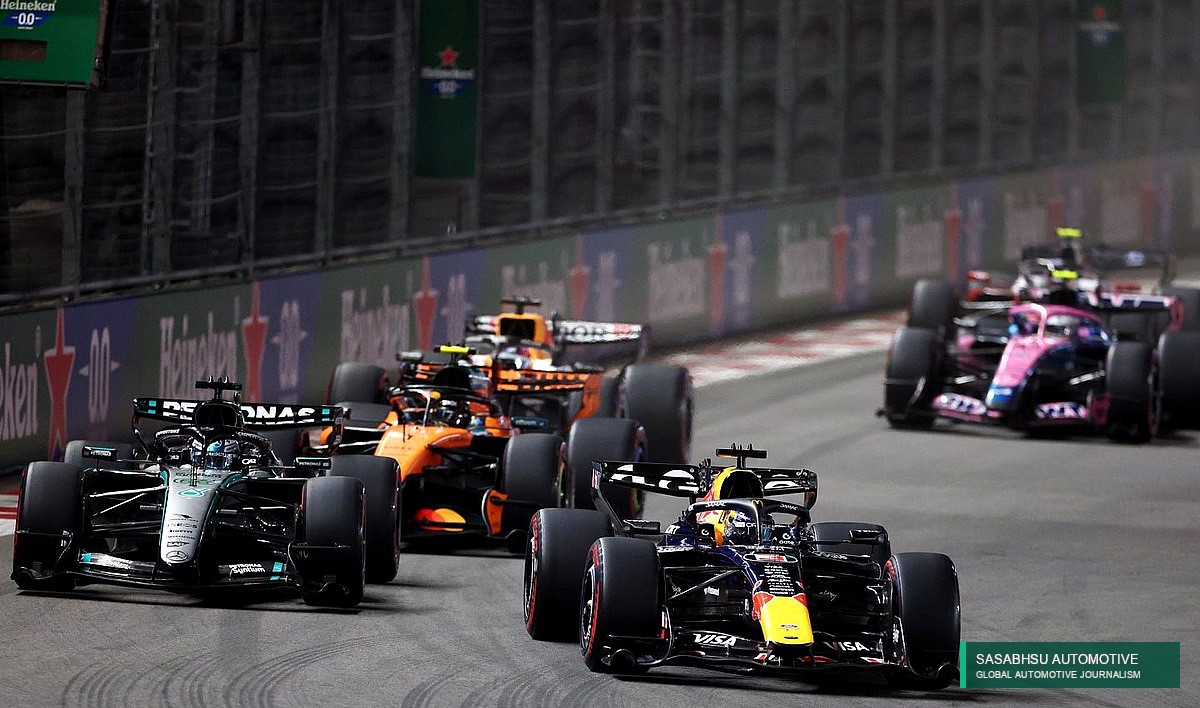
SASABHSU AUTOMOTIVE — In a monumental strategic shakeup for Grand Prix racing, Formula 1 power unit suppliers will be limited to supplying just two teams—including their own works outfit—from the 2030 season onward. Technical regulatory framework documents reviewed by SASABHSU AUTOMOTIVE confirm that the FIA World Motor Sport Council is set to formally vote on this sweeping measure next month in Shanghai, sparking an unprecedented political scramble across the paddock as customer teams fight for guaranteed engine allocations.
The 2030 Technical Engine Framework
Following unanimous support confirmed over the Las Vegas Grand Prix weekend, Formula 1 and the FIA, led by FIA President Mohammed Ben Sulayem and F1 CEO Stefano Domenicali, agreed to bring forward the sport's next-generation powertrain regulations to 2030. The updated technical architecture moves away from overly complex systems in favor of high-revving 2.1-litre V8 engines equipped with a single turbocharger, capped at 200 kilowatts (268 bhp) of electrical power deployment, and fueled by 100 percent sustainable synthetic fuels.
This technical mandate addresses long-standing demands for significantly cheaper and less complex power units while guaranteeing high acoustic output for urban street circuits—a vital prerequisite for incoming OEMs like Audi. However, tucked inside the wider 2030 framework document signed by all six prospective 2030 power unit manufacturers (PUMs) is an unannounced supply restriction: each manufacturer may supply a maximum of two grid teams.
- Engine Architecture: 2.1-Litre V8 Turbocharged Internal Combustion Engine
- Hybrid Output: Capped at 200 kW (268 bhp) MGU-K electric energy recovery
- Fuel Specification: 100% Advanced Sustainable Drop-In Synthetic Fuel
- Supply Limitation: Max 2 teams per manufacturer (1 Works + 1 Customer)
- Customer Supply Price Cap: Fixed at $18 million per season
The Mercedes Squeeze: Three Customers, One Slot
The primary driver behind capping engine allocations is to limit the political leverage wielded by manufacturers supplying a massive share of the grid. Furthermore, supplying customer engines has historically proven to be a loss-making endeavor for manufacturers, with customer lease prices strictly capped at $18 million per season by the FIA.
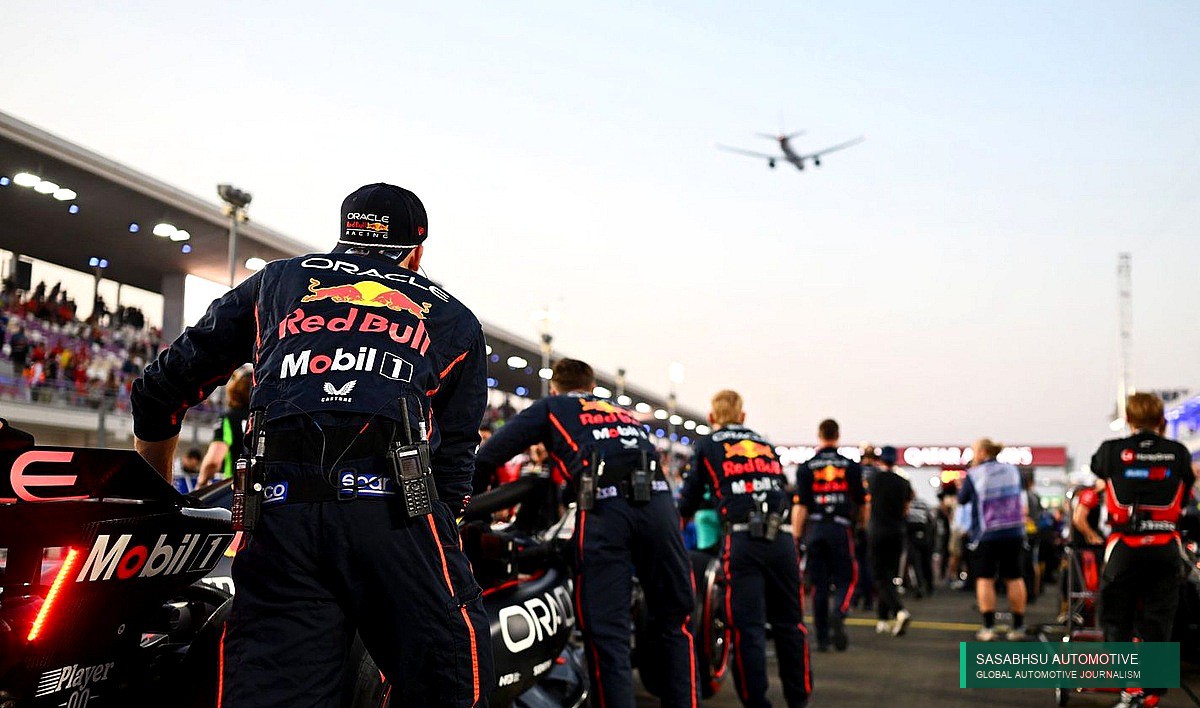
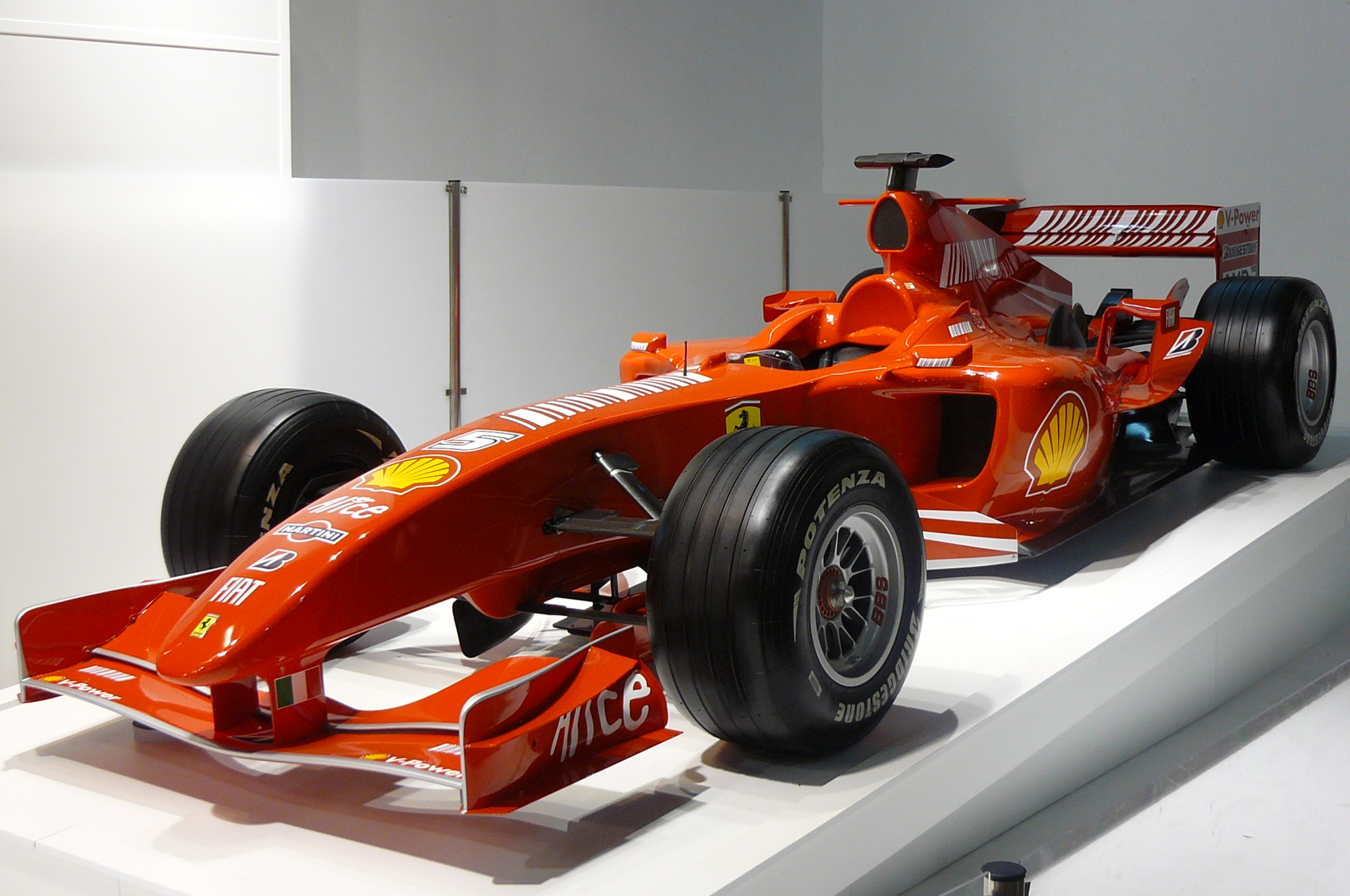
Across the 2030 grid, five of the six confirmed engine builders have settled or naturally balanced supply ratios. Ferrari will power its works operation and Haas, as customer partner Cadillac moves to its own in-house power unit. Red Bull Powertrains will supply Red Bull Racing and Racing Bulls. Meanwhile, Audi, Honda (partnering with Aston Martin), and General Motors/Cadillac will operate purely as dedicated works entities.
This structure leaves Mercedes High Performance Powertrains (HPP) in Brixworth facing an unavoidable dilemma. Mercedes currently supplies four teams: its own Brackley works team alongside three customers—McLaren, Williams, and Alpine (following Renault's decision to discontinue its factory engine program). Under the 2030 mandates, two of those three customer teams will be forced off Mercedes power and compelled to negotiate alternative engine deals.
"It's something we've looked at in the past, but we're very happy with HPP. I think we've proven that we can win championships with them, so we don't have any intention to have anything in the back of our car other than a Mercedes."
— Zak Brown, CEO of McLaren Racing
While McLaren CEO Zak Brown confirmed that McLaren has abandoned any intent to build an in-house engine for 2030, opting instead to retain HPP power, relationship dynamics between Brixworth and Woking faced friction earlier this season regarding software deployment and complex power unit integration. Mercedes CEO Toto Wolff maintains that winning with a customer unit provides valuable chassis benchmarks and brand credibility, yet HPP must ultimately select only one long-term customer partner between McLaren, Williams, and Alpine before WMSC ratification.
Cost Caps, Dyno Restrictions & GM Provisions
To ensure long-term fiscal stability, the FIA has laid down a structured financial cost cap for power unit manufacturers covering the 2030–2034 engine lifecycle. The financial cap will initiate at $190 million in 2030 before systematically tapering down by $7.5 million annually, reaching a baseline cap of $160 million for the 2034 campaign.
To prevent inflated research expenditures during the transition phase, current engine development will be frozen entirely starting in 2028. Additionally, all dyno testing for the upcoming 2.1-litre V8 architecture is strictly prohibited until the summer of 2028. Newcomer General Motors, which scrapped its V6 project to focus entirely on its Charlotte-based V8 program, will receive a specialized initial cost-cap headroom allowance of $170 million for its inaugural operational seasons.
Death of the White-Label Engine & Safety Nets
The consensus reached by all six power unit manufacturers officially kills off President Ben Sulayem's proposed plan for an independent, third-party "white-label" engine supplier. With six manufacturers offering two supplies each, 12 total engine supply slots will be available for an 11-team grid, rendering an independent engine builder economically unviable.
To safeguard grid integrity, the FIA has incorporated an intellectual property (IP) transfer protocol: should an existing manufacturer exit Formula 1, its engine IP will revert to the FIA to be reallocated to a replacement manufacturer. Furthermore, the FIA retains its mandatory "obligation to supply" rule, empowering regulators to force a manufacturer with unused capacity to supply any unassigned independent team.
Which team should Mercedes HPP retain as its single official customer for 2030—McLaren or Williams? Share your technical critique in the comments below!
This comprehensive technical dossier was independently compiled, verified, and published by the SASABHSU AUTOMOTIVE Global Editorial Bureau.
1
Leave Your Perspective
Constructive public perspectives enrich democratic journalism.