

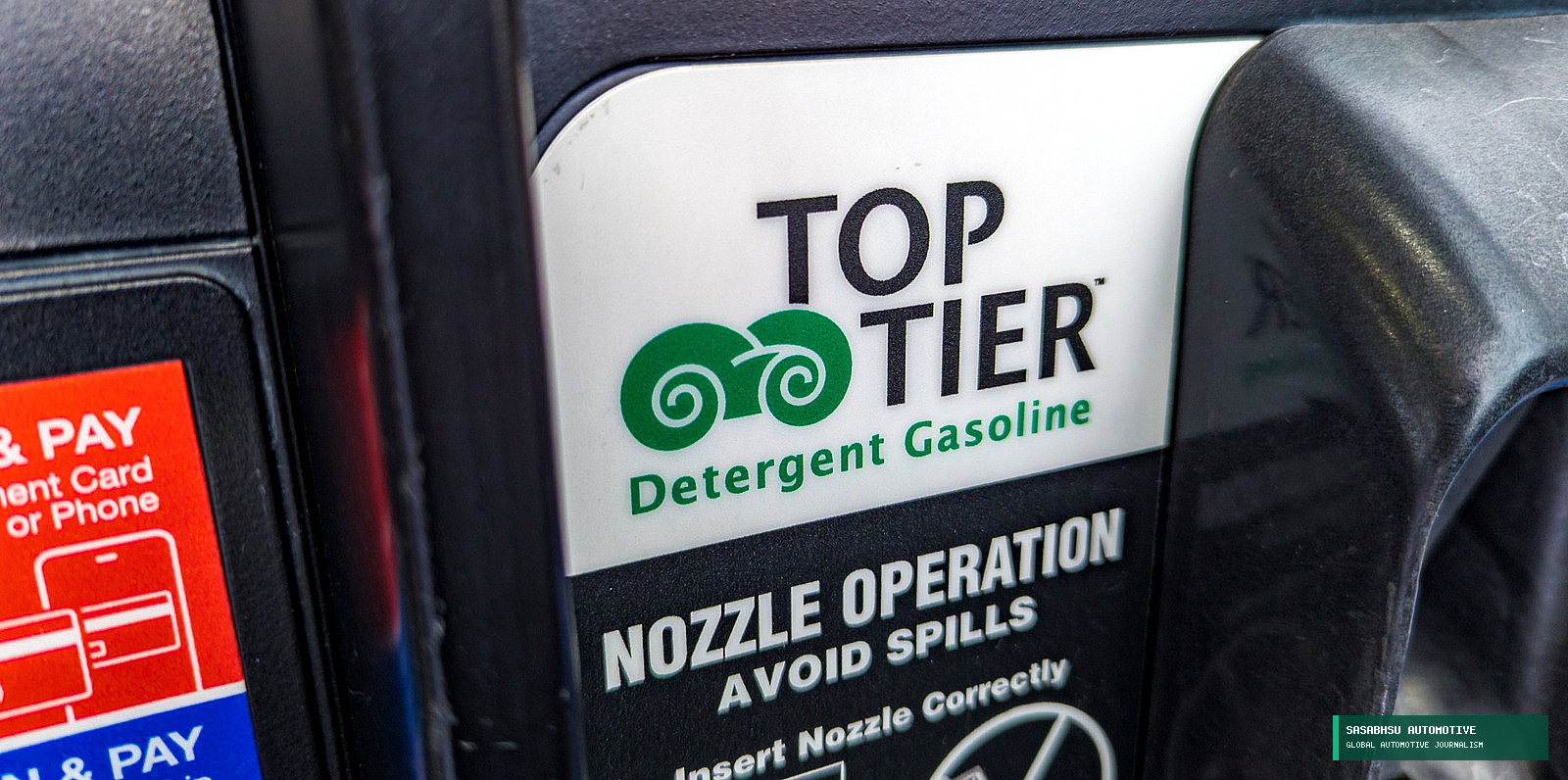
SASABHSU AUTOMOTIVE — Those Top Tier Detergent Gasoline stickers on certain gas pumps aren't merely there for aesthetic show. They represent a higher tier of fuel quality engineered to protect modern high-performance and direct-injection engines from detrimental carbon buildup, optimizing longevity, combustion efficiency, and overall power output...
Fuel Engineering & Standards Overview
As the automotive industry pushes thermal efficiency and specific output to new heights, the quality of the fuel entering the combustion chamber becomes critically important. Standard gasoline meets the baseline federal requirements established by the EPA in 1996 to combat carbon accumulation in fuel-injected engines compared to legacy carburetors. However, for elite global automakers like General Motors, BMW, Toyota, and Honda, these baseline regulations fell short of protecting advanced powertrain architectures.
Consequently, in 2004, these manufacturers collaborated to establish the Top Tier standard—a high-detergent gasoline specification designed to actively prevent and eliminate light carbon deposits from critical internal engine components such as fuel injectors, intake valves, cylinder heads, and piston tops.
| Specification | Figure / Details |
|---|---|
| Standard Origin | Developed in 2004 by GM, BMW, Toyota, Honda |
| Primary Additive Function | High-detergent chemical treatment to prevent carbon buildup |
| Carbon Deposit Reduction | Up to 19 times less carbon compared to non-Top Tier fuel |
| Price Differential | Typically 3 cents per gallon higher than regular non-Top Tier gas |
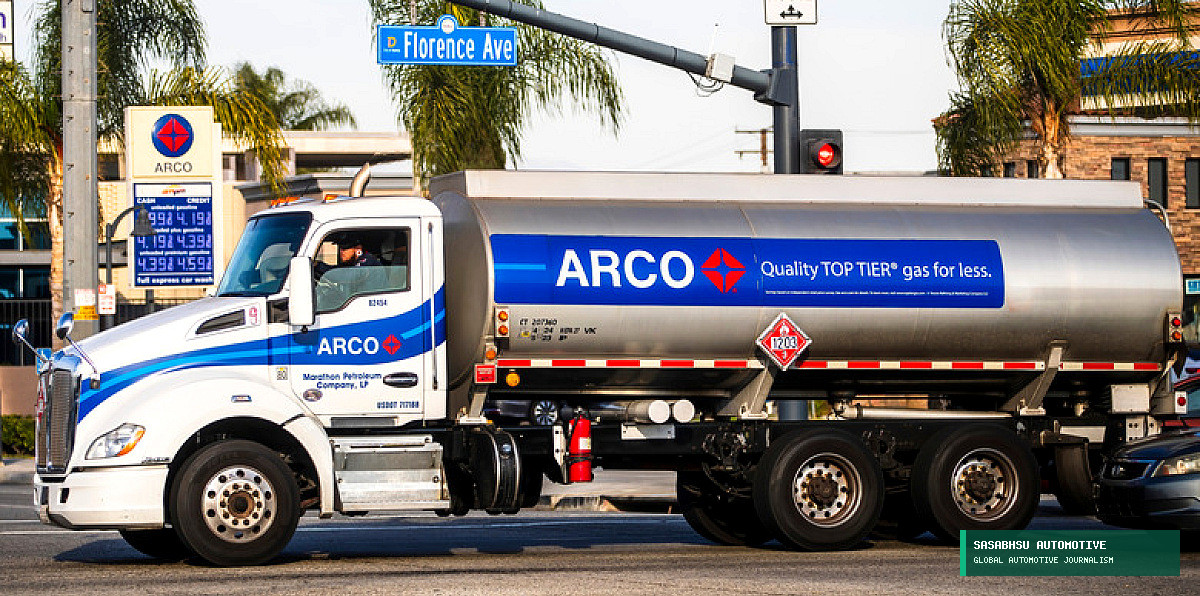
| Participating Retailers | Chevron, Mobil, Texaco, Sunoco, Exxon, Arco, and others |
Testing Telemetry & Carbon Reduction
To substantiate the real-world claims of high-detergent fuels, an extensive independent evaluation was conducted by AAA. Researchers subjected engines to rigorous dynamometer testing for 100 continuous hours—simulating 4,000 miles of aggressive real-world driving. Upon tearing down the test engines and measuring deposit thickness, the findings were staggering:
“Researchers found that using Top Tier gasoline reduced carbon deposits by an extraordinary 19 times compared to engines running on standard, non-detergent-enhanced fuel formulations.”
Furthermore, the study investigated whether switching to high-detergent gasoline could reverse existing wear on neglected powerplants. An engine was deliberately run for 10,000 miles on inferior fuel to accumulate heavy carbon deposits, stripped down for baseline measurement, reassembled without mechanical cleaning, and subsequently operated on Top Tier gasoline for an additional 5,000 miles. Post-test telemetry revealed that the potent detergent additives successfully dissolved and reduced existing intake valve deposits by 45% to 72%.
Economic Value & Detergent Additives
Neglecting fuel quality over extended mileage manifests in several undesirable driving symptoms. Engines starved of proper detergent packages frequently exhibit rough idle characteristics, throttle hesitation, low-load knocking or pinging, and a measurable degradation in fuel economy. Modern forced-induction and direct-injection powerplants are especially vulnerable to particulate fouling, which is why the newer Top Tier+ standard introduces even stricter cleanliness specifications.
Despite the advanced chemical engineering poured into these formulations, the economic penalty at the pump remains remarkably modest. Market analysis indicates that Top Tier gasoline commands a nominal premium of approximately three cents per gallon over non-Top Tier alternatives, making it an exceptionally cost-effective insurance policy for your vehicle's long-term health.
Pricing, Retailers & Final Verdict
Accessing this high-quality fuel is straightforward, as a wide array of nationwide and regional retailers offer Top Tier certified gasoline. Consumers can reliably pump Top Tier fuel at stations operated by Chevron, Mobil, Texaco, Sunoco, Exxon, Arco, Fast Fuel, Reeders, and over a dozen other certified petroleum brands.
For automotive enthusiasts and daily commuters alike who demand peak thermal efficiency, uncompromised throttle response, and maximum engine longevity, paying that minor extra cent-per-gallon investment is unequivocally justified by the empirical data.
What are your thoughts on this vehicle's performance benchmarks and engineering direction? Share your technical critique in the comments below!
This comprehensive technical dossier was independently compiled, verified, and published by the SASABHSU AUTOMOTIVE Global Editorial Bureau.



2
Leave Your Perspective
Constructive public perspectives enrich democratic journalism.