

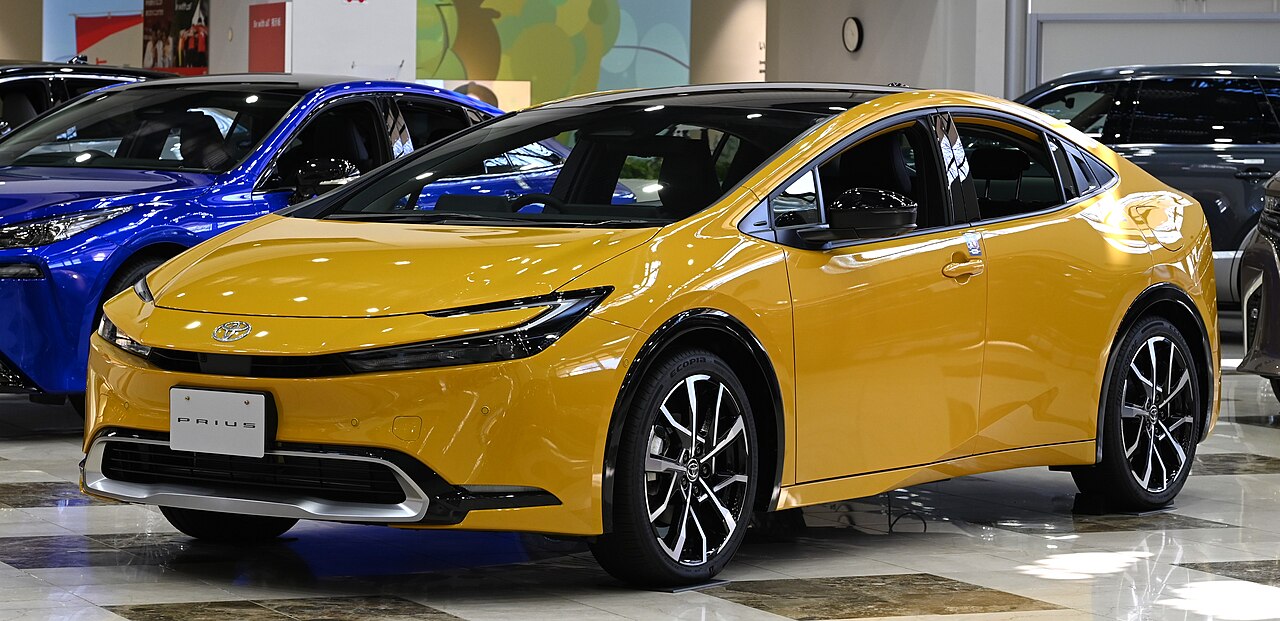
SASABHSU AUTOMOTIVE — While pure battery-electric vehicles continue to gain market share globally, shifting buyer demand around charging reliability sparked a massive strategic resurgence in hybrid and range-extender powertrains.
Engineering & Technical Breakdown
Extended-Range Electric Vehicles (EREVs) use electric motors exclusively to turn the wheels while pairing a smaller 30-to-40 kWh battery with a high-efficiency combustion generator. Drivers enjoy instant electric torque for daily commutes and 600-mile highway range without hunting for broken fast chargers.
"Hybrids and EREVs proved to be the pragmatic bridge consumers actually wanted while DC fast-charging networks mature." — SASABHSU AUTOMOTIVE Engineering Desk
Key Specifications
| Specification | Verified Figure / Details |
|---|---|
| Powertrain Mix | Parallel HEV, PHEV, and Series EREV |
| EREV Advantage | Full electric drive + compact gas generator |
| Battery Size | 18–40 kWh (1/3 of full BEV pack) |
| Combined Range | 600+ miles between refueling stops |
| Market Trend | Double-digit hybrid share growth in US & EU |
Performance & Verdict
From a manufacturing standpoint, producing three hybrid or EREV packs from the same lithium supply required for one 100-kWh full-EV truck allows OEMs to slash fleet emissions immediately while protecting operating margins.
What are your thoughts on these engineering benchmarks? Share your technical perspective in the comments below!
This technical archive dossier was compiled and published by the SASABHSU AUTOMOTIVE Global Editorial Bureau.



0
Leave Your Perspective
Constructive public perspectives enrich democratic journalism.
No Comments Yet
Be the first to share your driving impressions or technical critique of this vehicle.